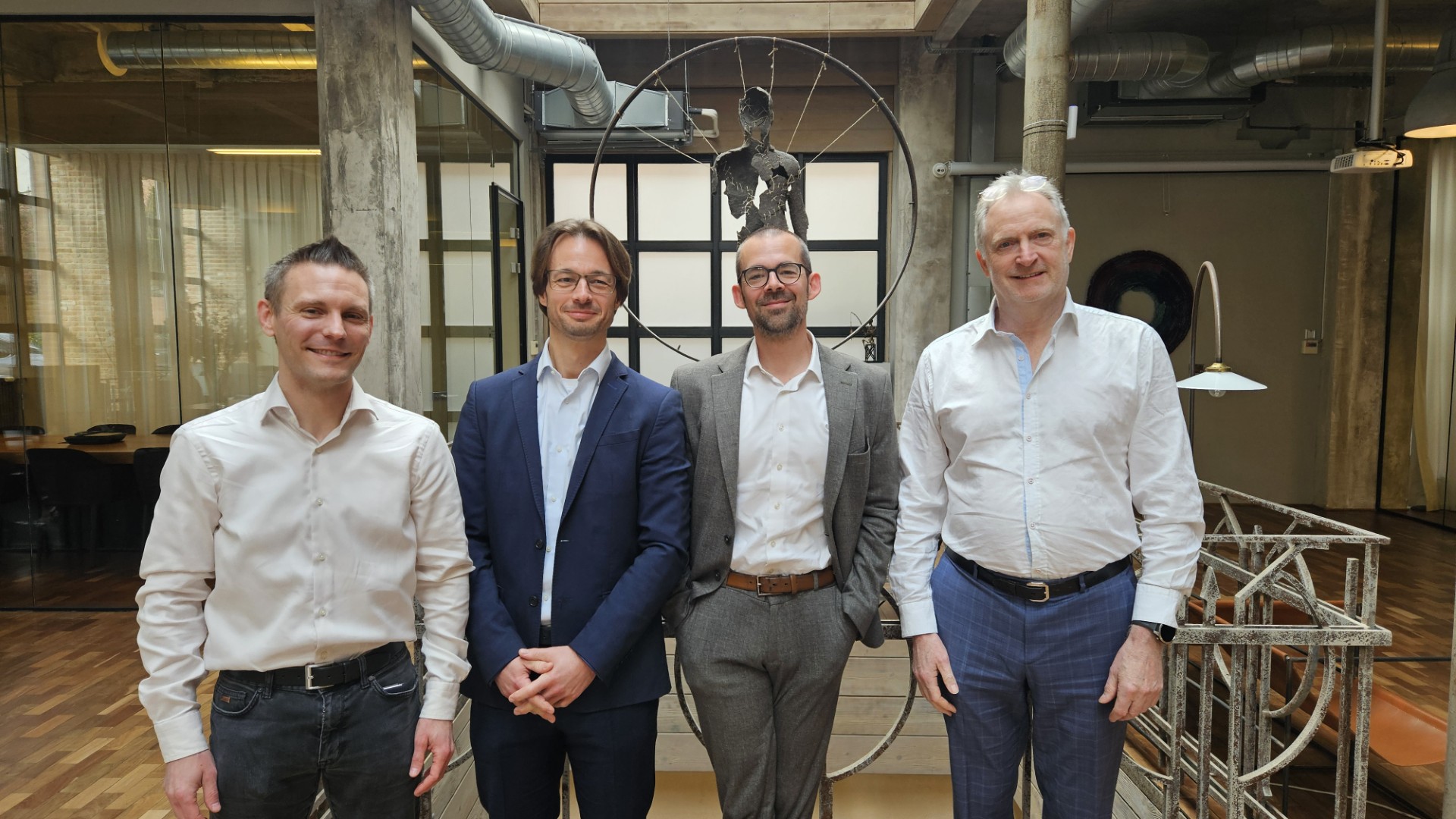
New phase of the AI Act requires you to disclose when something was created using artificial intelligence - Christoph Balduck with Trends Magazine

Trends
4 min read
04 Aug 26
.png)
"The AI Act is huge. This is product-safety law." That's how Christoph Balduck, CTO at Datatrust Associates, sums up the new phase that just kicked in. Think of the CE mark on toys: prove it's safe, or it comes off the shelf.
As of last Sunday, the transparency obligation applies. AI-generated images, video, text or audio for the European market? Label it or watermark it, unless it's clearly art. Running a chatbot on your site? Users need to know they're talking to an AI. And this isn't just for media companies. It hits your marketing, HR and internal communications too. Even that training video you made with AI.
Meanwhile the product-safety machinery is taking shape. A new standard has just been published, NEN-EN 18286:2026, for the quality management system (QMS) at the heart of certifying high-risk AI. Formal citation by the European Commission is still pending, but expected. High-risk AI systems are expected to be registered by end 2027. Christoph's advice for an SME is clear: start with your chatbot and helpdesk, talk to marketing and HR, then question your suppliers, same as you did for GDPR and NIS2.
Got any questions on where your organization stands? Do you know where AI touches your content? Just reach out, as we are always ready to help.
Keep reading
Eager to learn more? No worries: we’ve got you covered.

Stricter rules but no officially appointed supervisor yet - Christoph Balduck with VRT NWS
"The regulation is necessary. But right now, Belgium still has no officially appointed supervisor."
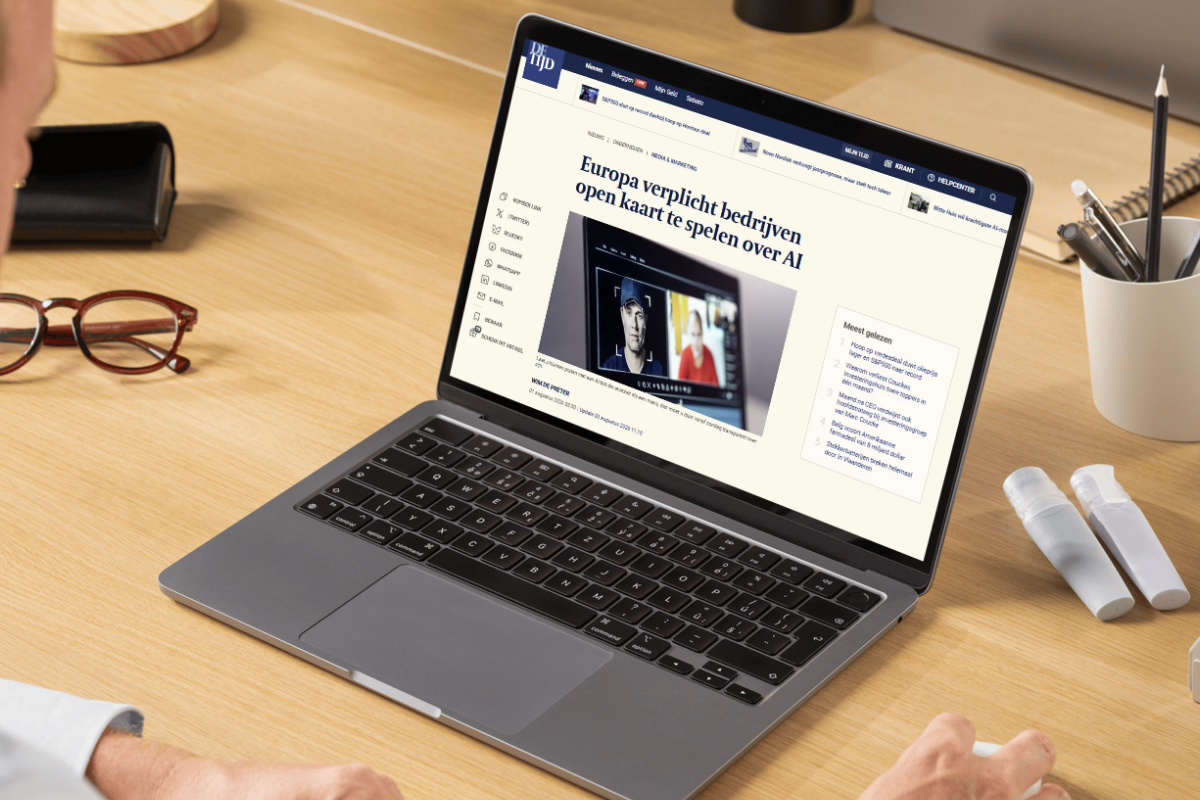
Europe requires companies to be transparent about AI - Datatrust Associates in De Tijd
CTO of Datatrust Associates, Christoph Balduck's view on the AI Act in 2026 and beyond